
In short: Body fat percentage is what you see far more than what the scale says. Below are reference photos of men and women across five ranges — from very lean to higher body fat — plus honest notes on how realistic each level is and whether you can actually hold it. These are visual estimates, not lab measurements: muscle, water, genetics, lighting and where you store fat all change how a given percentage looks.
How to use these body fat pictures
Two people at the same body fat percentage can look very different — fat distribution, muscle mass, height, water and even lighting shift the picture. Use the images as a rough orientation, not a verdict. For a repeatable estimate over time, Body Fat Scanner estimates your percentage from a photo so you can track the trend under similar conditions.
The ranges below follow the common categories: essential fat, athletic, fit, average and elevated. The percentages differ between men and women because women naturally carry more essential fat.
Body fat percentage in men (with pictures)
Essential fat — around 2–5%
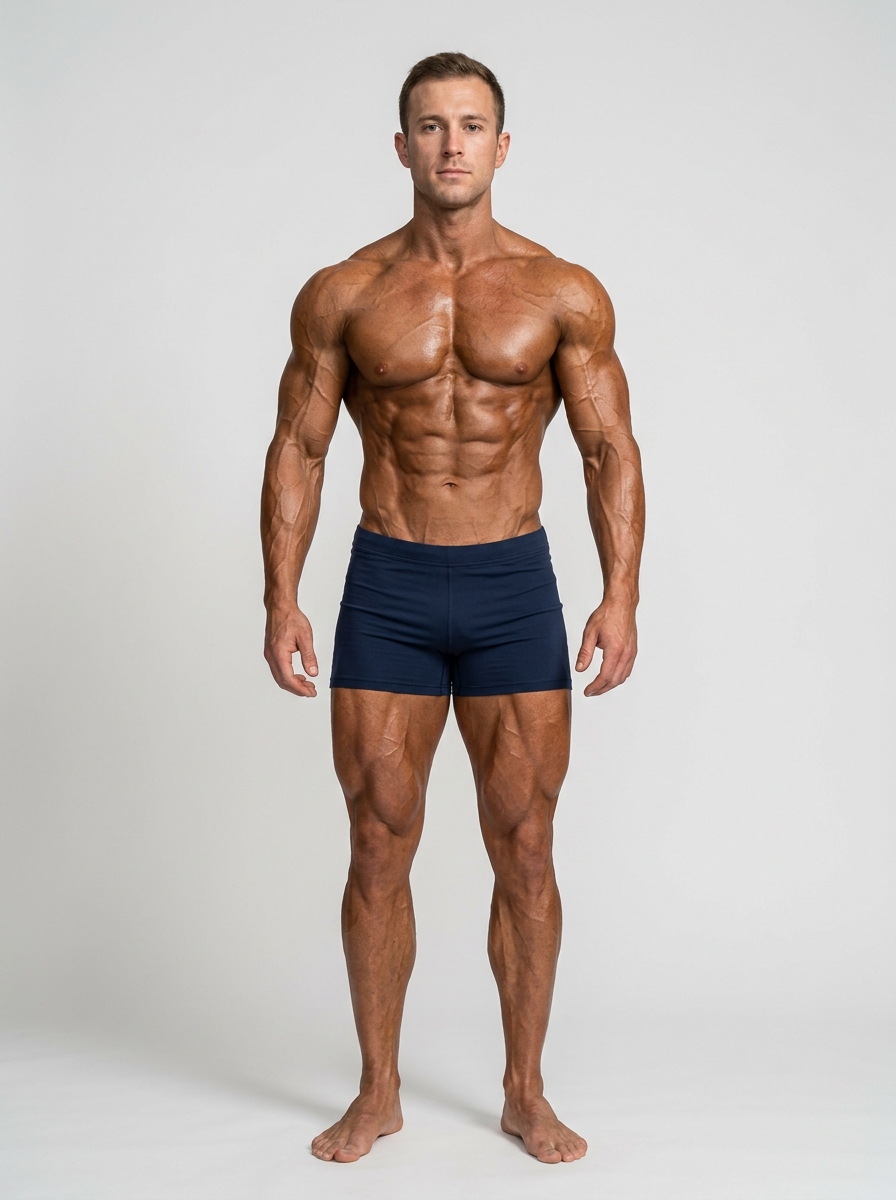
Competition-stage lean: muscles look "dry" and striated, veins show through, and there is almost no fat between skin and muscle. Reachable & sustainable? This is peak condition — reached with months of strict dieting and typically held for only a few days, not year-round.
Athletic — around 6–13%
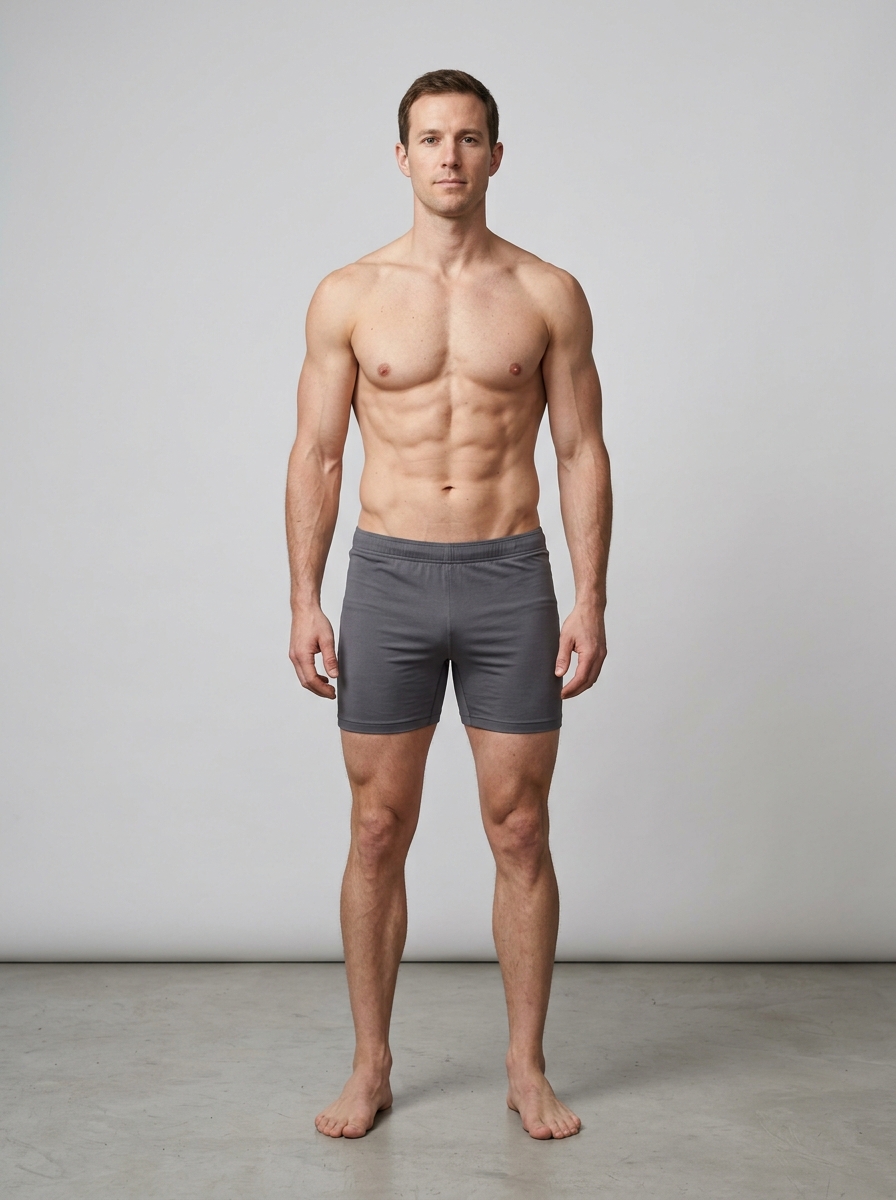
The classic "fit" look: a visible six-pack, defined arms and chest, and a tight waist. Reachable & sustainable? Yes — achievable and maintainable for many with consistent training and a solid diet.
Fit — around 14–17%
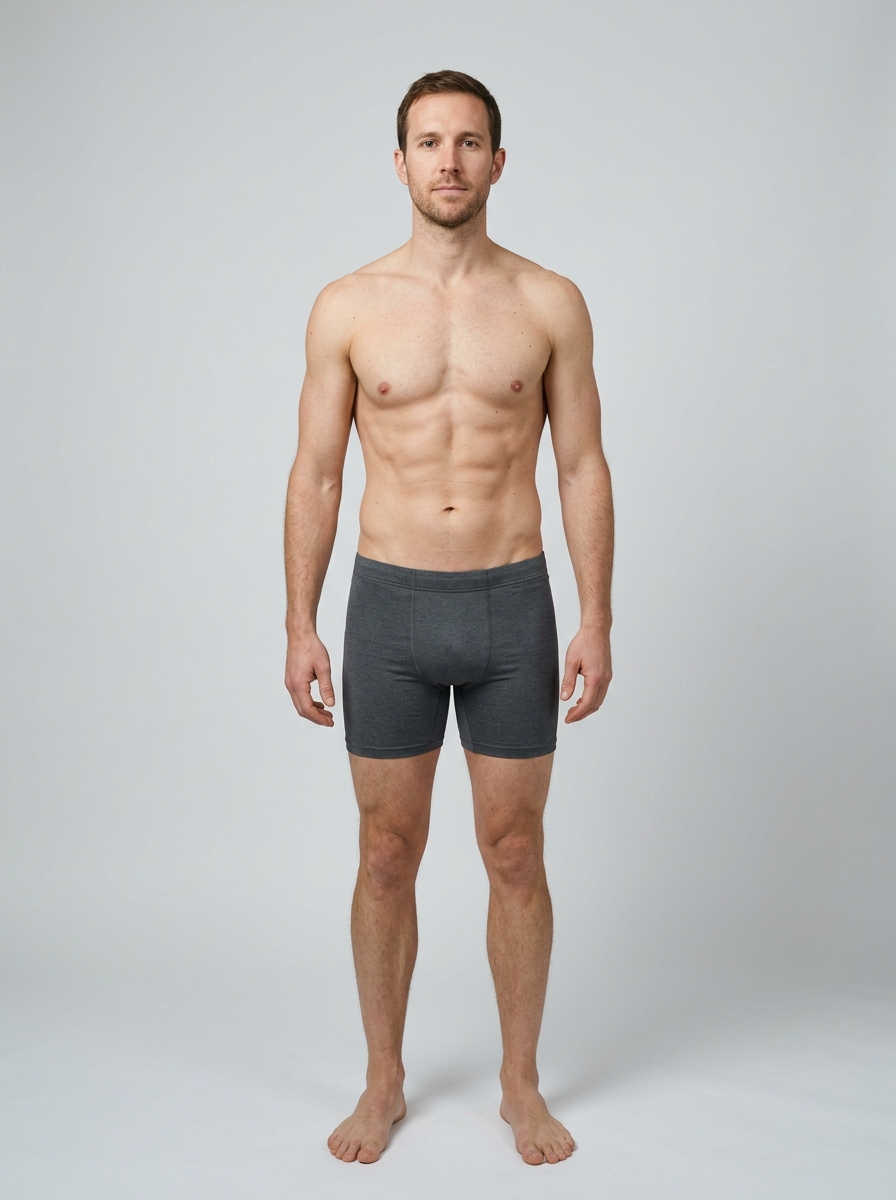
Abs are hinted at rather than sharply defined; the stomach is flat and the look is athletic and healthy. Reachable & sustainable? A realistic look you can keep all year — a great target for most men.
Average — around 18–24%
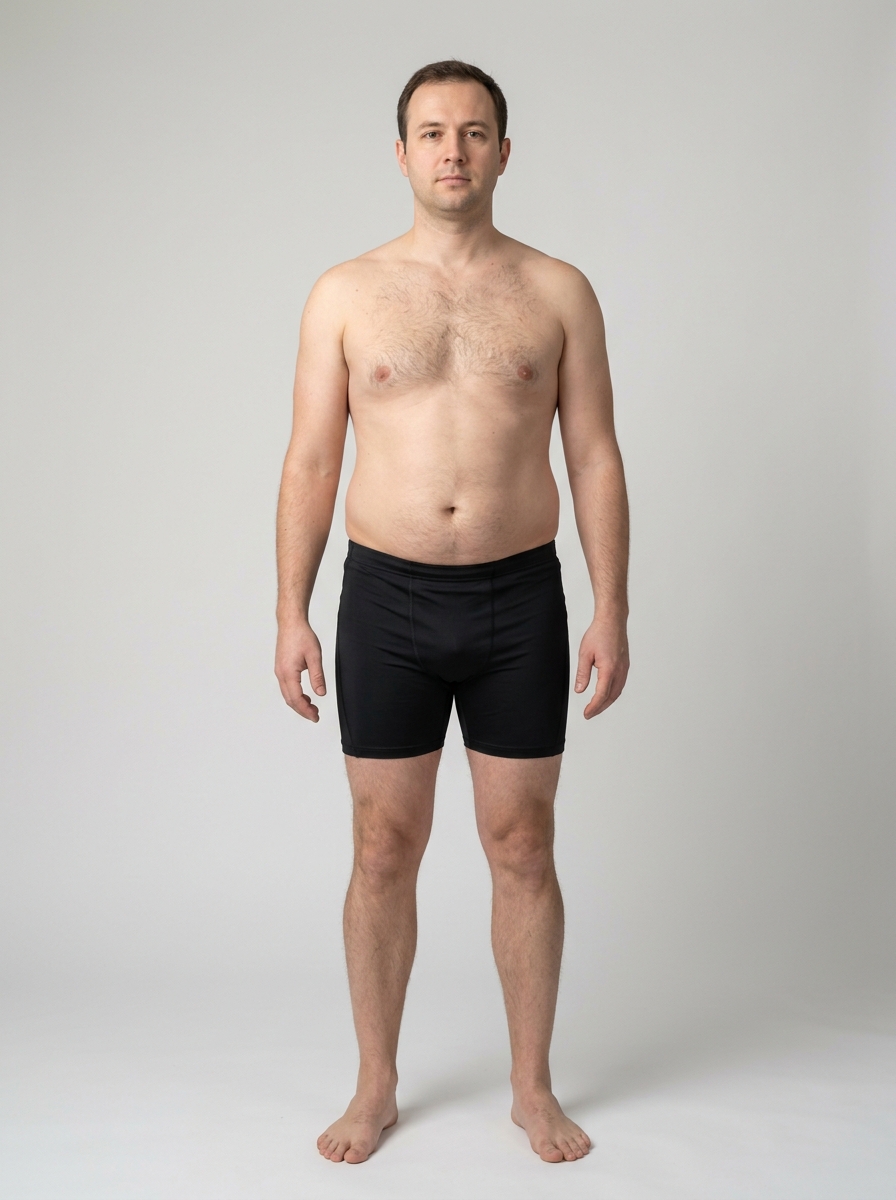
No visible abs, a softer midsection and a slight belly — where a large share of men land. Reachable & sustainable? Easy to maintain; small habit changes move you toward the fit range.
Elevated — around 25% and above
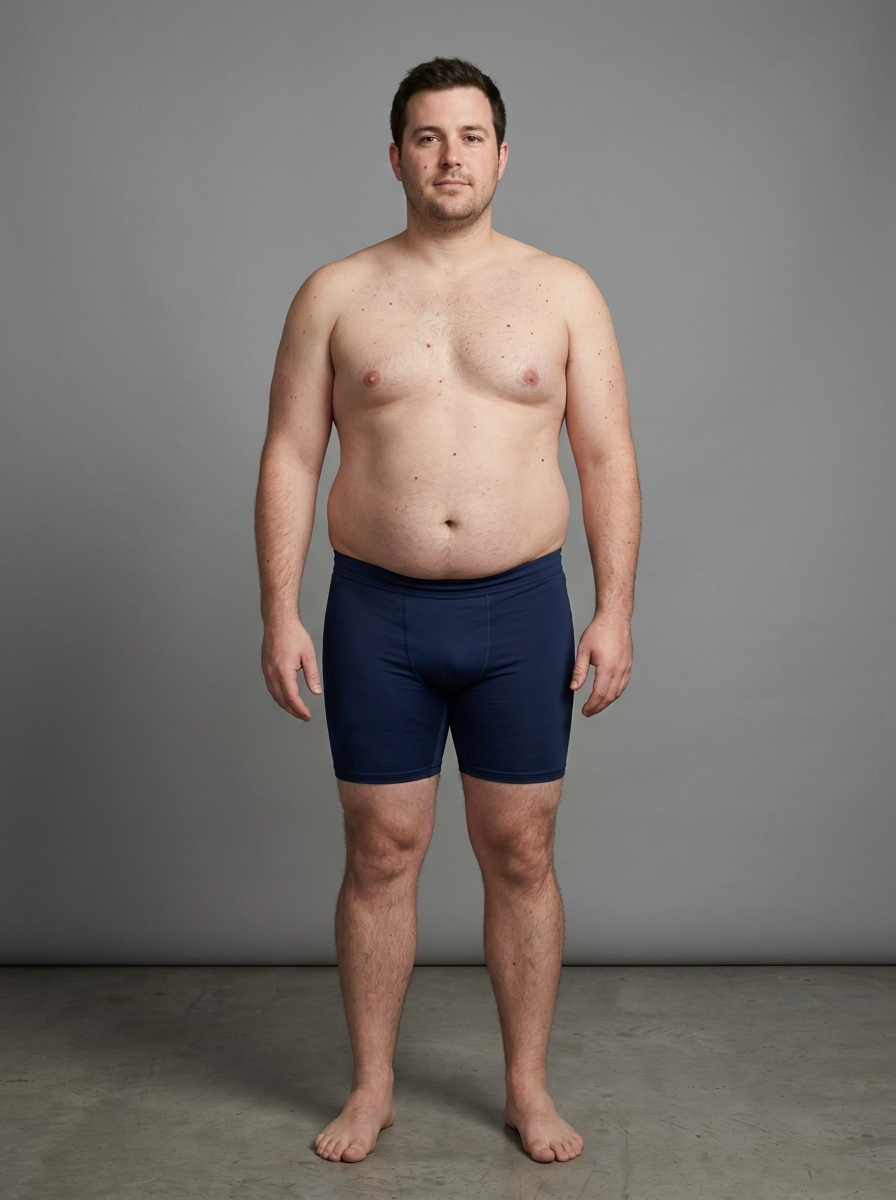
A rounder belly, softer chest and arms, and more fullness in the face. Reachable & sustainable? Common too — here the biggest health gains come from gradually moving down, not from chasing single digits.
Body fat percentage in women (with pictures)
Women's numbers run higher for the same visual leanness — that is normal biology, not a flaw.
Essential fat — around 10–13%
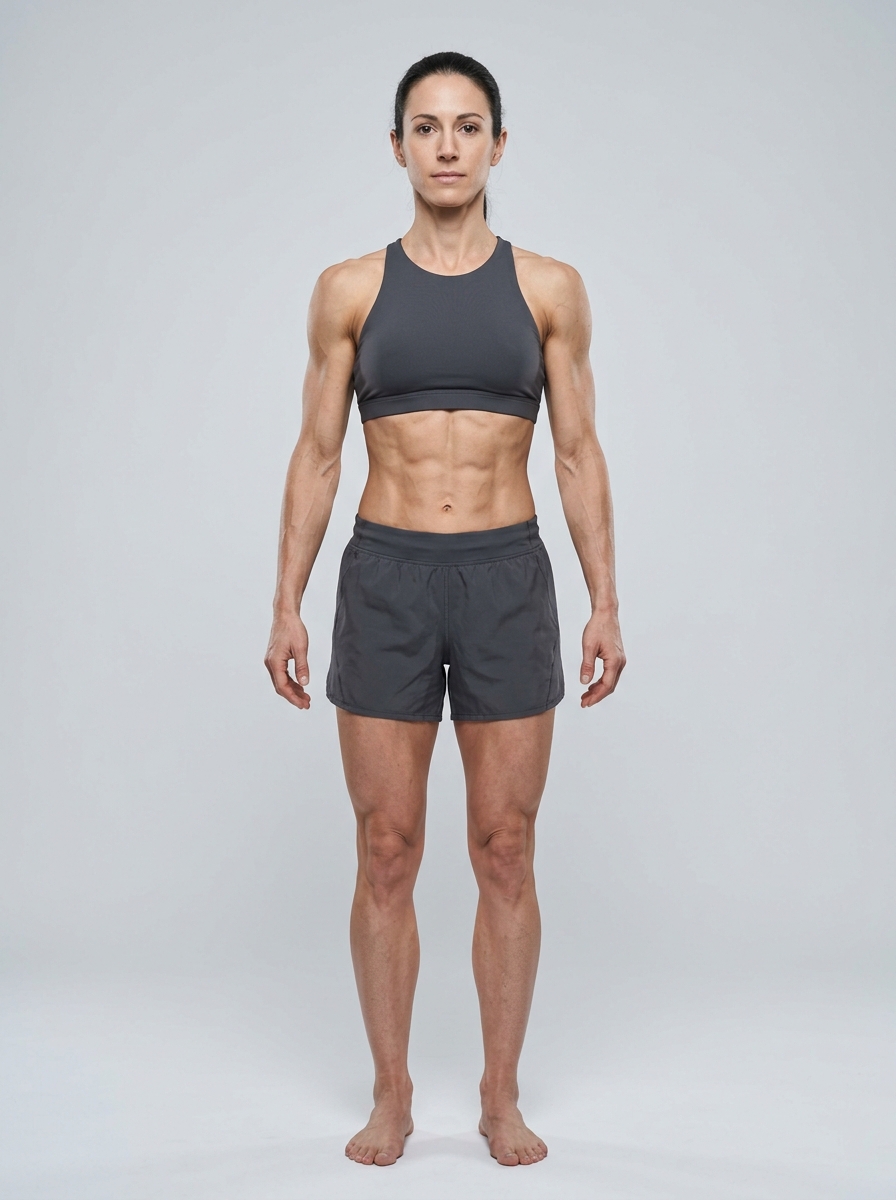
Stage-lean for women: visible abs, defined shoulders and very little fat. Reachable & sustainable? A short-term, peaked condition; going and staying this low can disrupt hormones, periods and health.
Athletic — around 14–20%
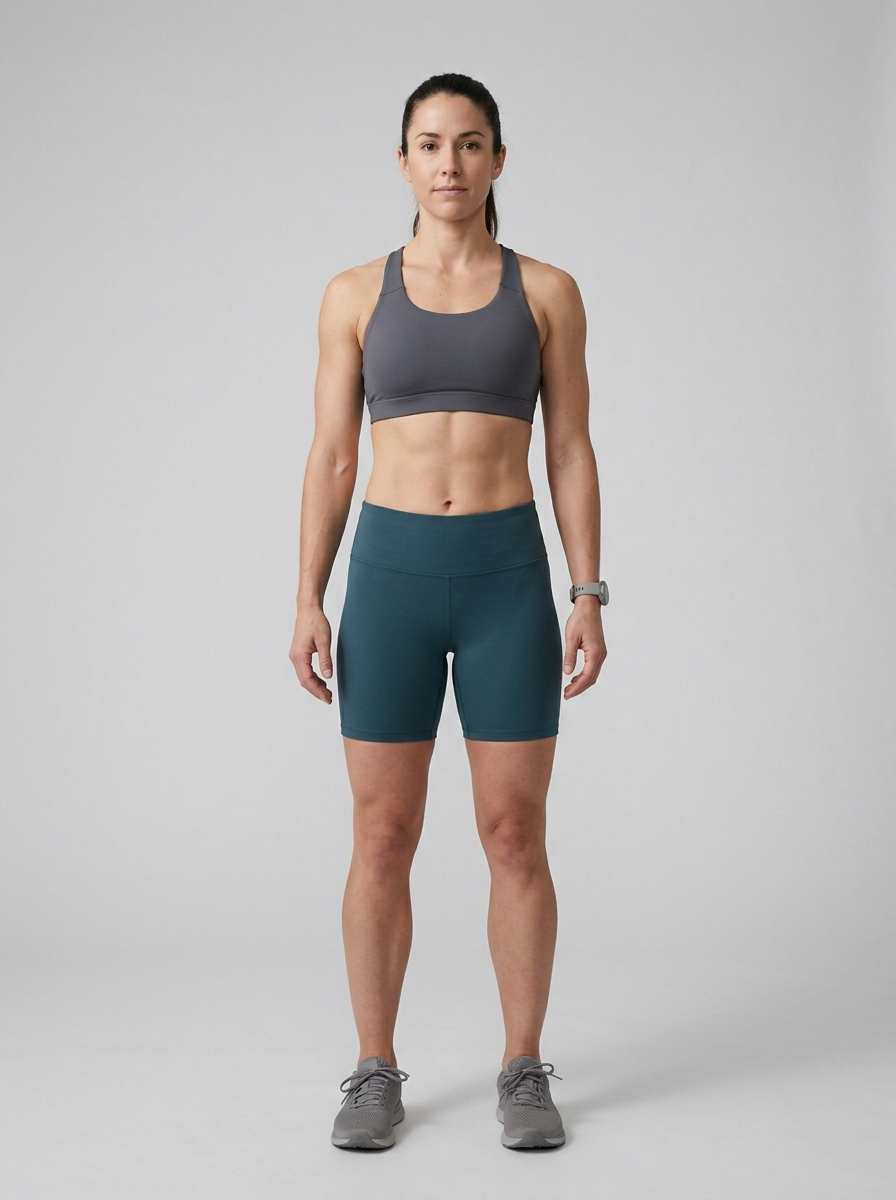
Toned and defined, with visible ab lines and clear muscle shape. Reachable & sustainable? Achievable with dedicated training; maintainable for committed athletes.
Fit — around 21–24%
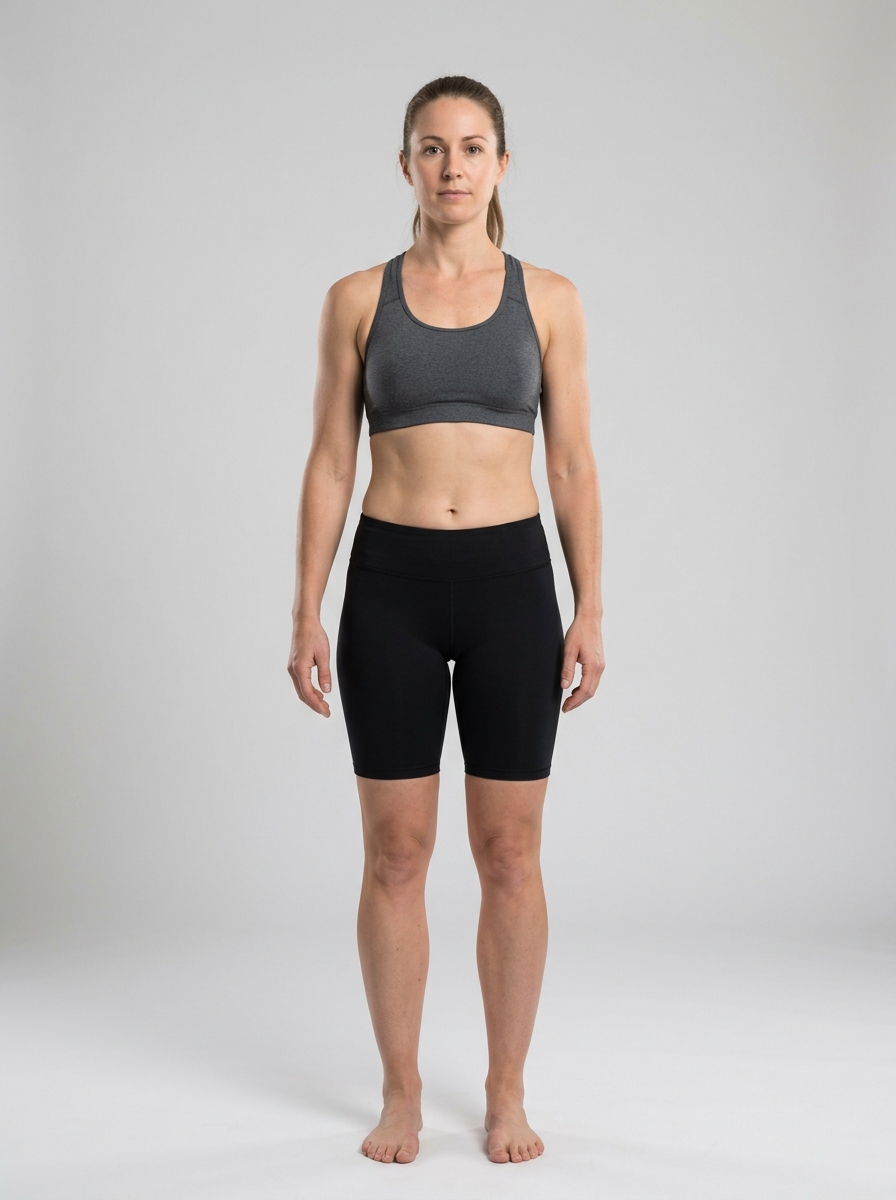
Lean and healthy with soft muscle tone and natural curves; abs may show faintly when relaxed. Reachable & sustainable? A realistic, sustainable year-round target for many women.
Average — around 25–31%
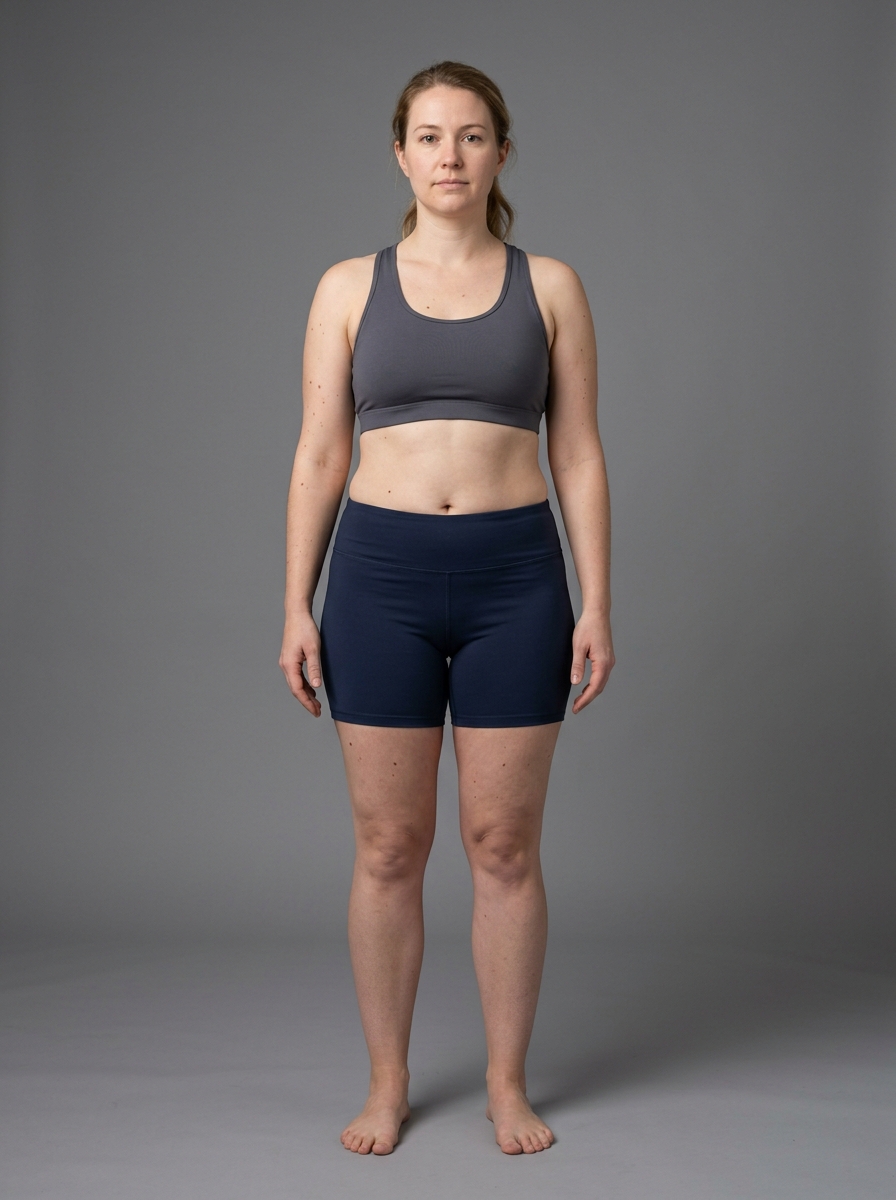
Soft, natural curves with fat around the hips and thighs and no visible abs — the range many women sit in. Reachable & sustainable? The most common range, easy to maintain and perfectly healthy.
Elevated — around 32% and above
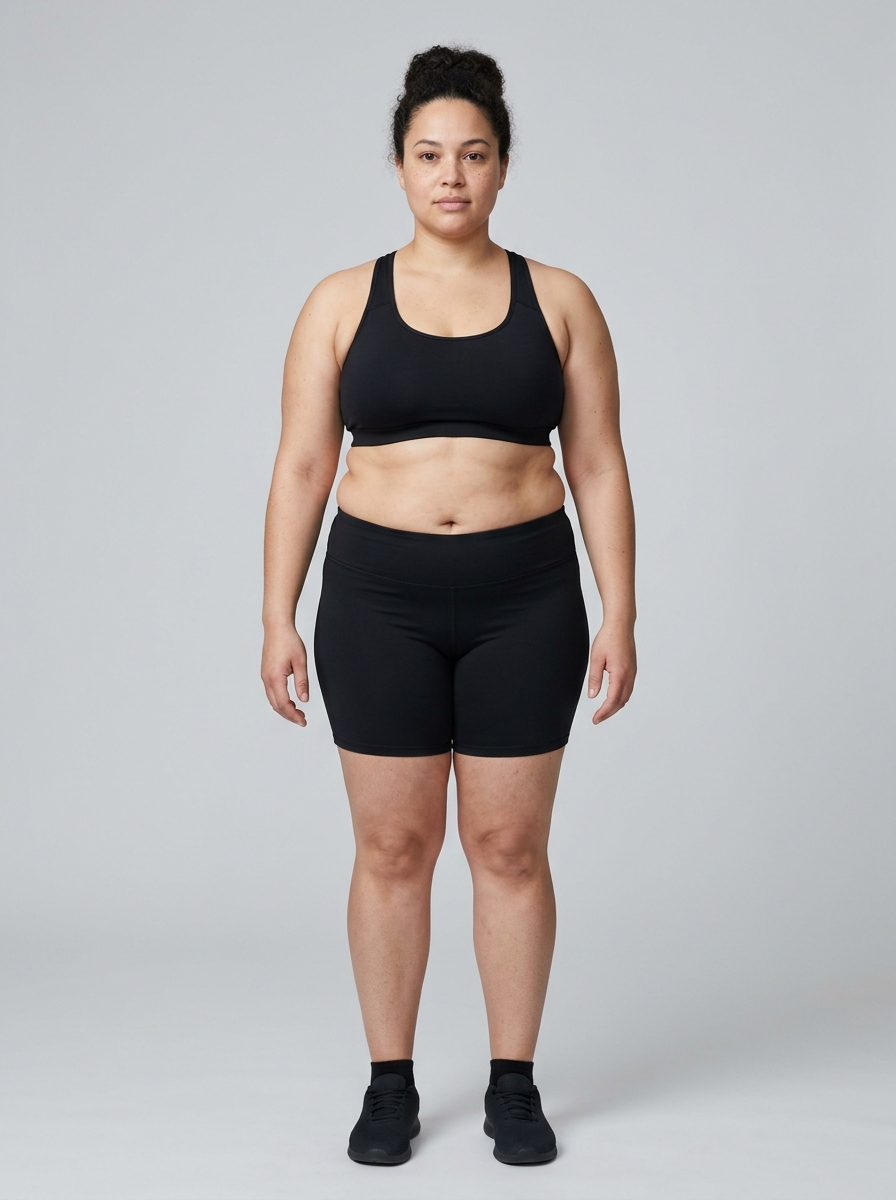
A fuller figure with a softer midsection and more fullness at the hips and arms. Reachable & sustainable? Common — the health win is in trending down over time, at a sustainable pace.
How lean can you realistically get — and stay?
The leaner you get, the harder each step becomes — and the harder it is to hold. The fit and athletic ranges are sustainable for most people with consistent habits. Single-digit body fat for men (and the low teens for women) is a different game: it demands strict dieting, is heavily influenced by genetics, and usually can't be maintained for long without affecting energy, mood, hormones, sleep and — over time — bone health. Essential fat (roughly 3–5% for men and 10–13% for women) is the minimum your body needs to function; getting close to it is a short-term, peaked state, not a lifestyle. For almost everyone, a slightly higher level you can actually keep beats a lower one you can't.
What body fat do competition bodybuilders have?
On stage, top male bodybuilders are often around 3–5% body fat — sometimes even lower — and female competitors around 10–12%, right at the edge of essential fat. At that level you see full muscle separation, deep striations and extreme vascularity. But this is peak condition held for a day or two, not a year-round state — off-season, the same athletes deliberately sit much higher for their health and to build muscle. So if a physique looks almost unreal, it usually is a peaked, momentary snapshot.
Why the leanest look is partly water (peak week)
Here's the part most people miss: at very low body fat, a big chunk of the "shredded" look comes from water, not just fat. In the final days before a show — "peak week" — bodybuilders manipulate carbohydrates and water to pull water out from under the skin and into the muscles. The skin then looks thin and "dry," the muscles look "full," and every striation pops. Get it slightly wrong and the same athlete looks "flat" or "watery" at the exact same body fat. That's why the leanest photos can differ dramatically from one day to the next — and why any single snapshot is an estimate, not an exact number. The app works the same way at its best: measure under similar conditions and watch the trend, not one photo.
So which range should you aim for?
For most people, the fit range is a healthy, realistic goal you can hold year-round — visibly lean without the strict dieting that essential-fat levels demand. What matters more than a single number is the trend: measuring the same way over time tells you whether you are heading in the right direction.
That is exactly what the app is for: snap a photo, get an estimate, and watch the curve. Get Body Fat Scanner and find your starting point.
FAQ
Can you tell body fat percentage from a picture? You can estimate it. A photo shows how lean you look, which maps roughly to a range — but it is an estimate, not a lab measurement like DEXA, and water and lighting shift the look. Consistent conditions make the estimate more useful over time.
How lean are bodybuilders on stage? Roughly 3–5% for men and 10–12% for women — right at essential fat, and held only for a day or two around the competition, not year-round.
Can you maintain very low (single-digit) body fat? For almost no one, no. It is a short-term, peaked state that can affect hormones, energy, sleep and long-term health. A sustainable target is higher — for most, the fit range.
Why do women's percentages look higher than men's? Women naturally carry more essential fat (for hormonal and reproductive health), so the same "athletic" look corresponds to a higher percentage than in men.
How do I measure my body fat at home? Options include calipers, smart scales and photo-based apps. For an easy, repeatable trend, Body Fat Scanner estimates your percentage from a photo — no gear needed.
This article is for information and motivation only. The app provides an estimate and is not a medical device; it does not replace professional measurement or medical advice.